
Mountain Longonot
Mountain Longonot is a stratovolcano rising dramatically from the floor of the Great Rift Valley near Naivasha, Kenya. Known for its steep slopes and vast crater, it is a popular hiking and sightseeing destination offering sweeping views of Lake Naivasha and the surrounding landscape.
It rises to approximately 2,776 meters (9,108 feet) above sea level and. Famous for its large volcanic crater covered by dense forest. The volcano last eruption was around the 1860s. the mountain is located within Mount Longonot National Park, managed by the Kenya Wildlife Service.
Mountain Longonot location
The second-closest national park to Nairobi at 73.6 kilometers, is located on the north-western side of the city but is described as being in the southern Great Eastern Rift valley. The park is close to Lake Naivasha, Lake Nakuru National Park, Hell’s Gate National Park, Abardere National Park, Thomson’s falls and many others. It’s about a 1 and a half hour’s drive from Nairobi, depending on the traffic flow.
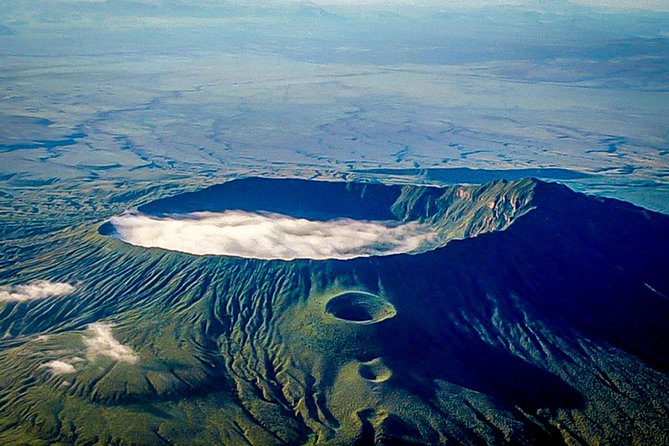
Mountain Longonot Strato Volcano found Keny’s Great Rift Valley
Ecological significance
The park protects highland ecosystems dominated by dry savanna vegetation and a unique forest growing inside the crater. Its elevation creates a microclimate that supports diverse flora and fauna adapted to both arid and montane conditions.
Cultural and regional context
Situated about 60 kilometers northwest of Nairobi, Mount Longonot is a prominent feature visible from much of the Rift Valley region. It holds cultural significance to the Maasai people and contributes to the Naivasha area’s identity as a center for eco-tourism and outdoor recreation in Kenya.
What to see around mountain longonot
Mount Longonot National Park is an excellent game reserve and an ideal vacation spot for things like honeymoons, get-togethers, and others. Mount Longonot, a volcanic peak that rises to over 9,108 feet, offers an excellent hiking challenge.
The varying ecosystems and landscapes that harbor a variety of animals, bird species, and plants make Longonot such a special place. Animals like the uncommon Abbott’s duiker endangered Black Maned Lion are rare and exciting sights. The extinct volcanoes that range from 2,776 meters to 3,200 meters are the ideal ‘away from it all’ getaway from Nairobi, as hiking is the main focus of Longonot.
Mount Longonot National Park provides tourists with various outdoor activities and experiences, as well as an abundant wildlife population. Hiking the volcano, which offers breathtaking 360-degree views of the surroundings, is one of the most well-liked pastimes.
The park is home to many plants, animals, and ecosystems, making it a singular and enthralling destination. More than 30 different kinds of animals may be found on Mount Longonot, including the uncommon Abbott’s duiker, which is only found in a few restricted locations within the nation. The Black Maned Lion, a rare and exciting sight for tourists, also has a popular home in the park.

Self drive adventure Safari – Mountain Longonot N.P
Best time to Visit Mountain Longonot
The best time to visit Mount Longonot National Park is during the dry seasons from January to March and July to October. These months provide clear skies and firm, dry trails, which make the steep hike to the crater rim safer and more enjoyable. Breakdown by Season Dry Seasons (Jan–Mar & Jul–Oct): Ideal for hiking and photography. Trails are dustier and firmer, and the stunning views of the Great Rift Valley and the crater are highly visible. Wet Seasons (Apr–May & Nov–Dec): The scenery turns lush and green, making it a great time for bird watching and avoiding crowds. However, the tracks can become very slippery, which makes climbing challenging.
Daily Timing
Regardless of the time of year, it is highly recommended to start your hike early in the morning. The equatorial sun can get extremely hot by midday, and an early start helps beat the heat, improves wildlife sightings, and ensures you have enough time to complete the full 7.2 km (4.5 mi) crater rim loop. If you are planning your self drive trip in Kenya and East Africa you can include Mountain longonot. If you’d like tips on hiring a local guide I can help tailor your itinerary perfectly.